
“Tel Aviv University researchers develop simple chip that skips DNA sequencing; findings can pave the way for earlier cancer diagnostics and real-time treatment monitoring”
Taget herfra
Israeli researchers have developed a simple, fast, $60 blood test for diagnosing lung cancer that eliminates the need for costly DNA sequencing.
In peer-reviewed research of 103 participants, the test accurately identified 93 percent of stage 2-4 lung cancers while ruling out cancer in 90 percent of the healthy control group. Using fluorescent light, the scientists analyzed chemical patterns on DNA fragments circulating in the bloodstream.
The research was led by scientists at Tel Aviv University’s School of Chemistry in collaboration with JaxBio Technologies, and physicians at Haifa’s Bnai Zion Medical Center and Sheba Medical Center near Tel Aviv.
“Lung cancer is one of the most fatal cancers and one of the most common cancers,” said Dr. Abed Agbarya, director of the oncology department at Bnei Zion Medical Center, lead author of the study and its main clinical researcher. He told The Times of Israel during a Zoom interview, “Most people arrive in the last stages of the disease. If we can discover the disease in its early stages, we can go to surgery. We can go to a full cure. The five-year survival rate would be much better.”
The study was published in the peer-reviewed journal Nature Precision Oncology.
Get The Times of Israel’s Daily Editionby email and never miss our top storiesNewsletter email addressGet it
By signing up, you agree to the terms
A more extensive trial is now underway across several hospitals in Israel and Europe, where clinicians are evaluating the researchers’ uniquely designed chip and using it for patient follow-up. This trial phase is expected to conclude by mid-2027.
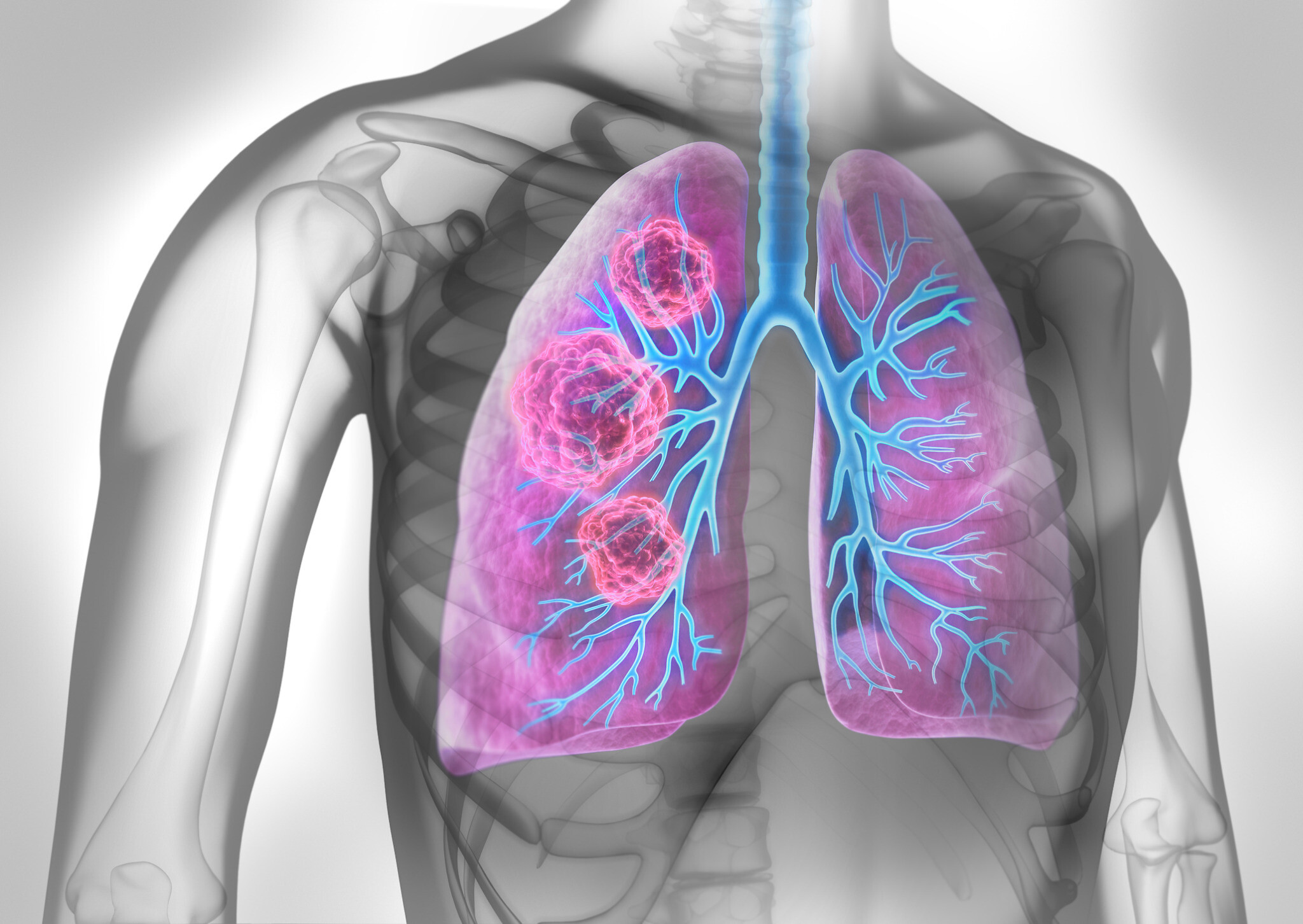
Early lung cancer often goes undiagnosed
Lung cancer is the leading cause of cancer-related deaths worldwide, accounting for an estimated 1.8 million deaths annually, according to the World Health Organization. About 2,000 Israelis die from the disease each year.
Because early-stage lung cancer rarely presents symptoms, the vast majority of patients are diagnosed only after the disease has already spread, drastically reducing their chances of survival.
“Many people with undiagnosed lung cancer come to the emergency room during the winter with a bloody cough and shortness of breath,” Agbarya explained. “They have COPD and emphysema symptoms. Up to 60% of patients are diagnosed with lung cancer only when they are in advanced stages.”
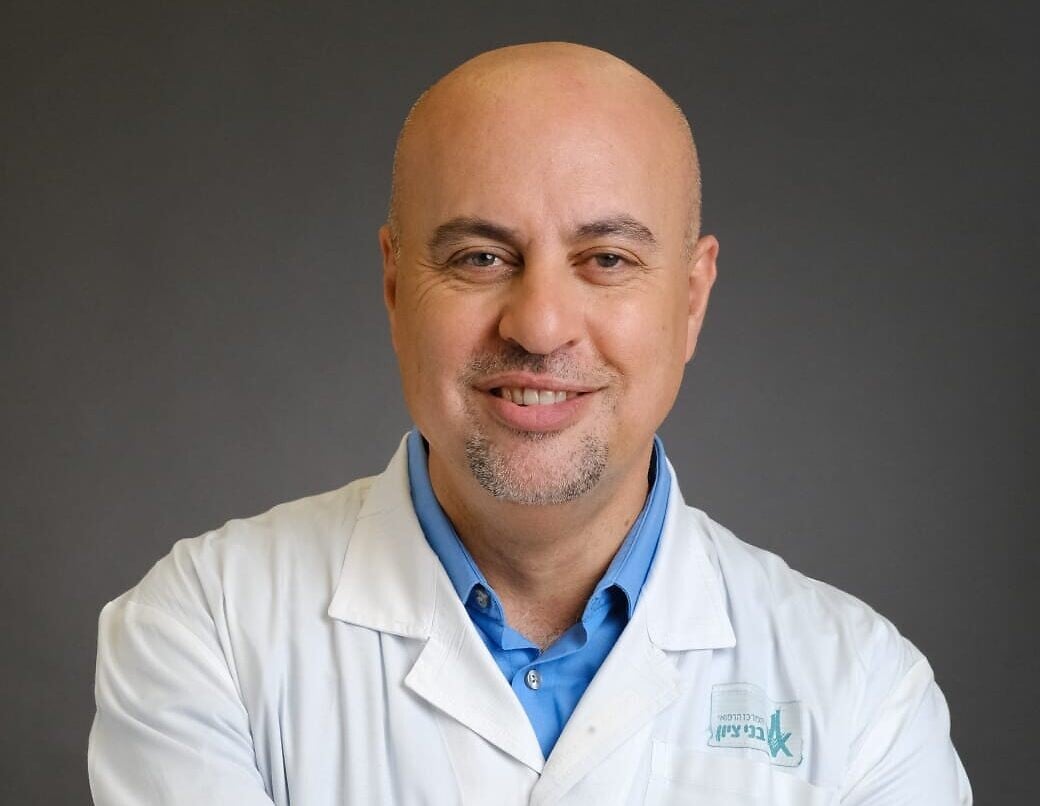
Agbarya said that while the Israeli health basket offers low-dose CT tests, fewer than 20% of patients undergo this screening.
“That figure is worldwide, not only in Israel,” he said. “Patients don’t want to do the test. That’s why we want to catch lung cancer in people early, before they are symptomatic.”
Agbarya first connected with Dr. Yuval Ebenstein of Tel Aviv University through the 8400 Health Network, a network of roughly 400 leading researchers, executives, and clinicians working across Israel’s health tech and biotechnology sectors. Agbarya said he was responsible for the clinical arm of the research, while Ebenstein led the chemical and technological development of the blood test.
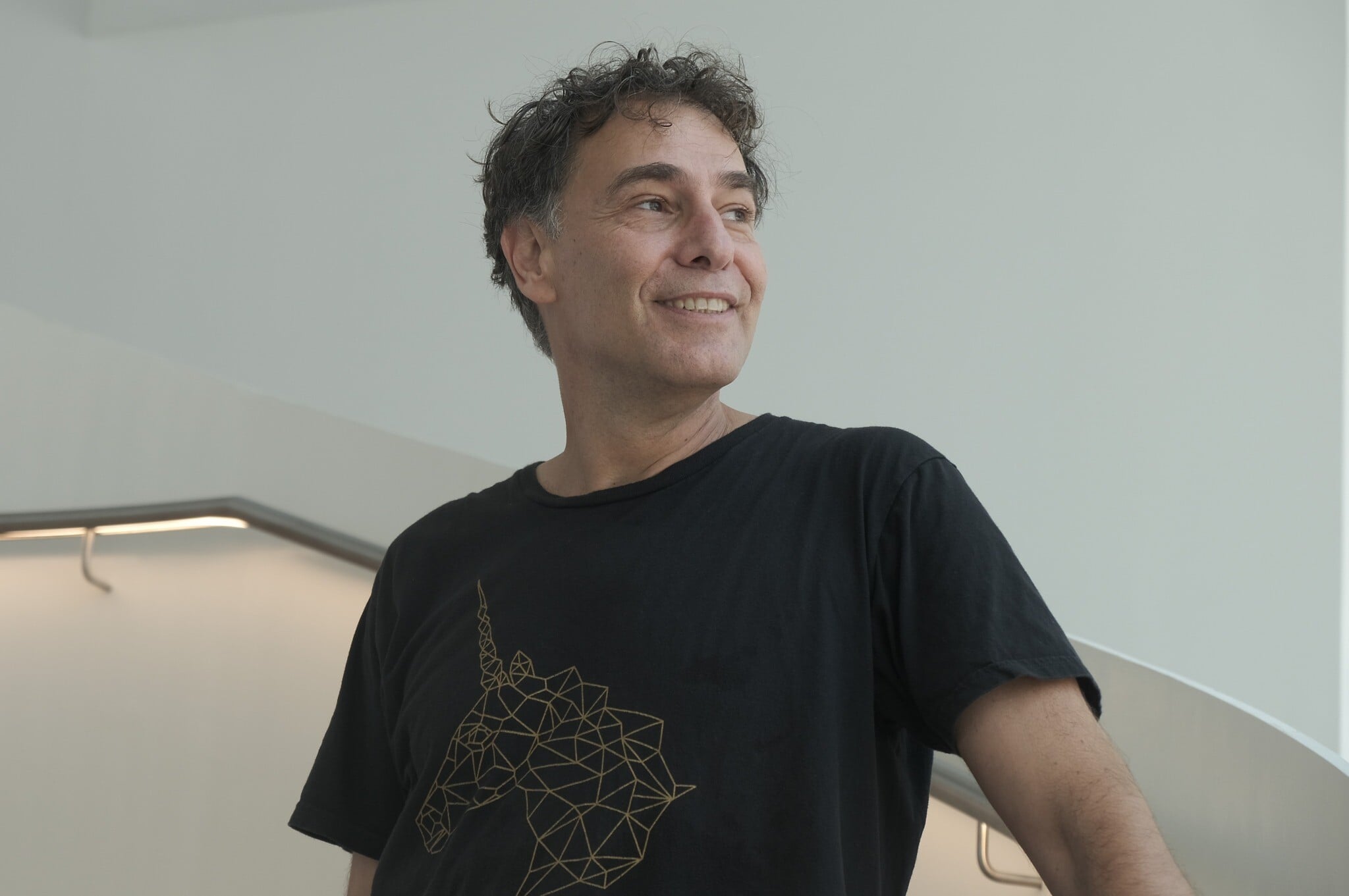
“We combine chemistry and physics to provide solutions,” Ebenstein told The Times of Israel in a Zoom interview. For the research, his team combined chemistry with genomics, the branch of biotechnology that applies molecular techniques and high-speed DNA sequencing to map and analyze complete sets of genes.
“We realized that chemical changes in DNA characterize different tumors,” he said. “We invented a chemical reaction that lights up these chemical changes.”
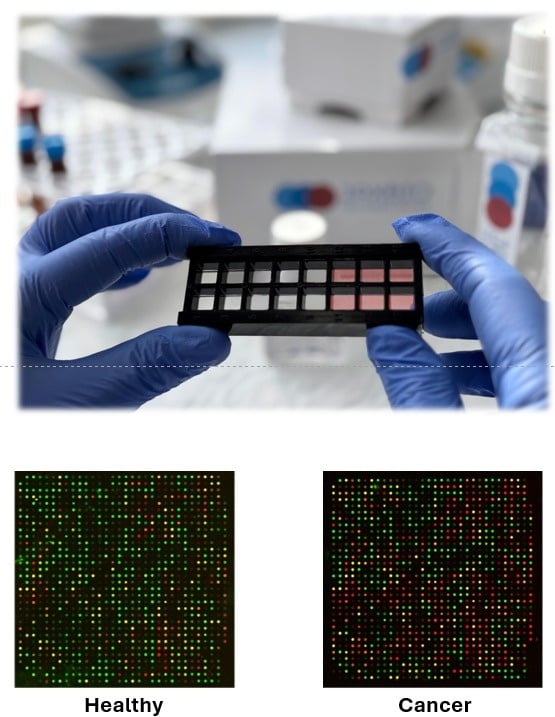
“We took a bunch of little DNA molecules out of the bloodstream,” Ebenstein explained. “We labeled them and tracked the light they emitted, which signified the chemical changes caused by the cancer.”
The researchers then put light-emitting DNA molecules on a specially developed glass chip.
“Each spot gives off a different level of light based on its chemical makeup and the different amounts of chemical change,” he said. “The grid on the glass looks like a tiny QR code.”
[TrumfEs: der er en video her, jeg ikke kan embedde ]
The next step is the computational part, Ebenstein said, where the scientists connected the pattern of light to a pattern of the disease.
“We were then able to accurately detect stage 2-4 lung cancer,” he said. “It’s just a blood test, and it’s very cheap. It doesn’t cost thousands of shekels.”
The method also successfully differentiated between the two primary subtypes of lung cancer: adenocarcinoma and squamous cell carcinoma.
“The test is designed to give solutions to low-income countries because it’s very simple and doesn’t need a lot of infrastructure,” Ebenstein said. “We’re hoping that it could be integrated into routine blood tests.”
‘Genuinely clever’ solution
Dr. Ari Raphael, Head of Translational Oncology at Rabin Medical Center’s Davidoff Cancer Center, told the Times of Israel that lung cancer is “the world’s deadliest cancer precisely because it is rarely caught early enough.”
Raphael was not involved with the research.
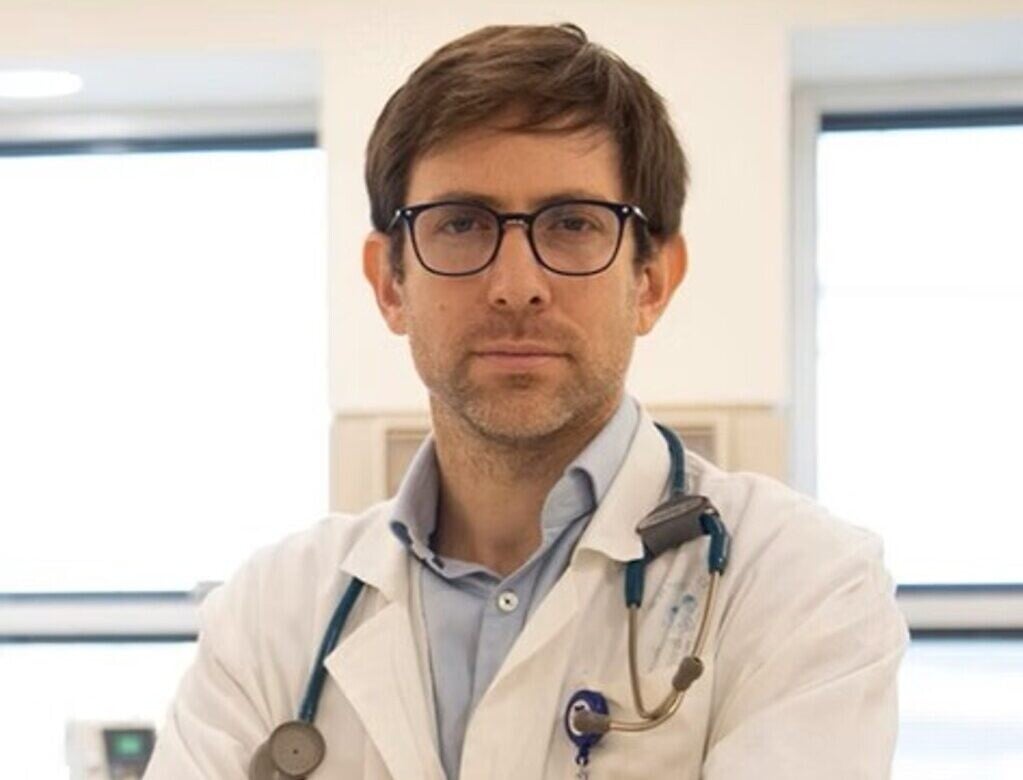
“What I find genuinely clever about this study is its ability to identify cancer-related DNA changes through a simple blood test, without expensive sequencing,” he said. “It detects stage 2-4 cancer with over 90% sensitivity and specificity, correctly flagging patients and correctly clearing healthy individuals.”
Raphael said that “a fast and affordable tool like this, even at these stages, could meaningfully aid both diagnosis and treatment monitoring.”
He pointed out, however, that it was tested in just over 100 patients.
“The real challenge ahead is proving it works at Stage 1, when curative treatment is most within reach,” Raphael said. “That is the bar every liquid biopsy must clear before earning a place in the clinic.”
‘I feel like this is my mission’
For both Agbarya and Ebenstein, the research carries deep personal significance.
Ebenstein’s interest in the work was sparked by his stepfather’s diagnosis of a preliminary stage of multiple myeloma, a blood cancer.
“That’s how I got interested in studying this,” he said. “I realized that the technologies that we’re developing in the lab are the right tools to follow cancers.”
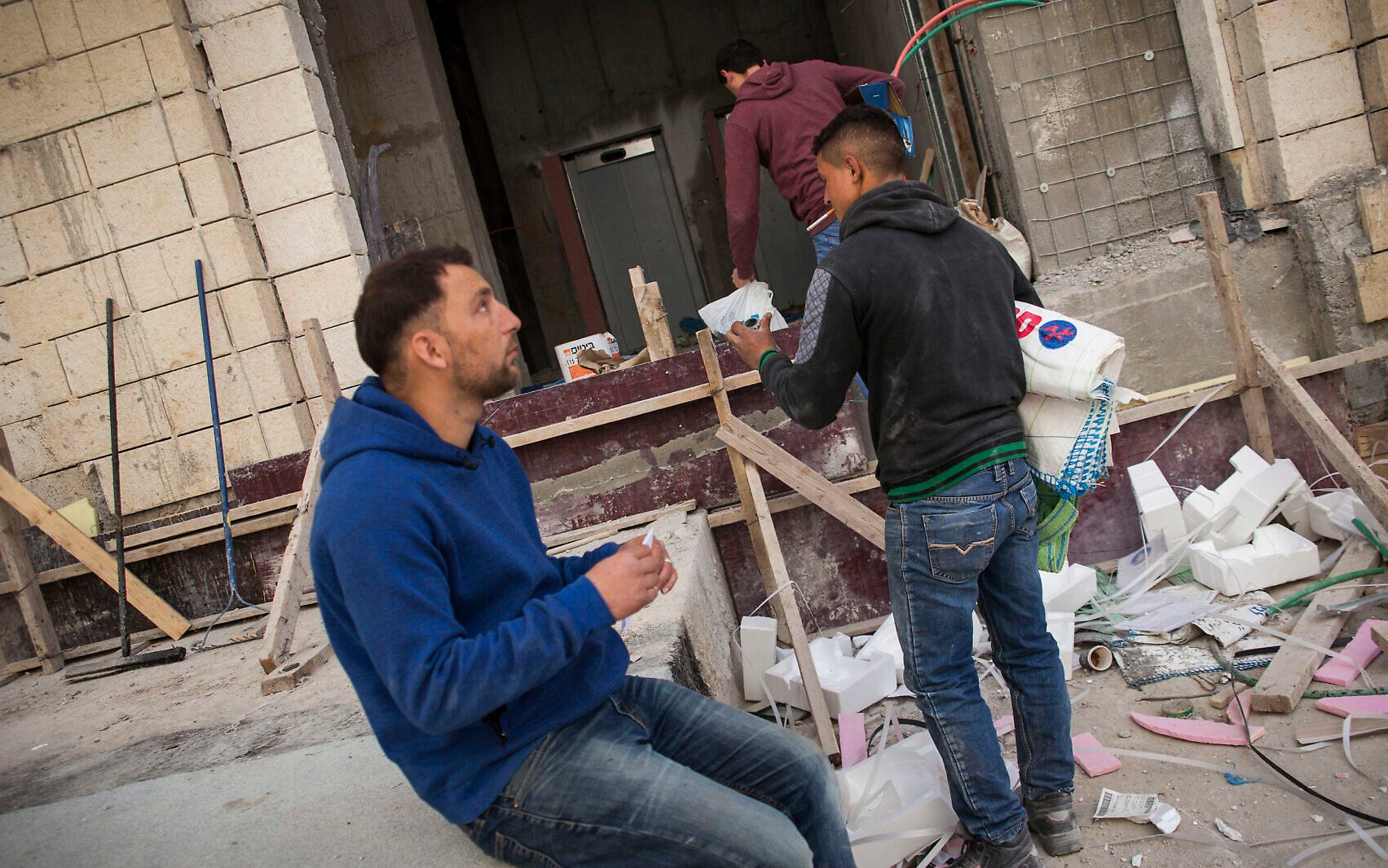
Agbarya said he felt compelled to get involved in the research because lung cancer accounts for 29.2 percent of male cancer deaths among Israeli Arabs compared to 18.1 percent among Jewish men, adding that up to 42 percent of adult Arab men identified as heavy smokers.
“In the north, in Haifa and Nazareth where I work with these patients, I see that they can’t afford to travel to the center for treatments,” he said. “They need somebody who invests in them and brings them new treatments. I feel like this is my mission. I want to treat my community, and even protect and diagnose them in the early stages of their disease. They need this support.”
He added that over the course of their research, he and Ebenstein became close friends.
“Yuval [Ebenstein] was one of the first people I called to say that my son got into Tel Aviv University Medical School,” Agbarya said. “Despite the last really horrible few years that we have had, and what we are still going through, we’re working together on projects. We still have this hope.”
Taget herfra
Leave a Reply